
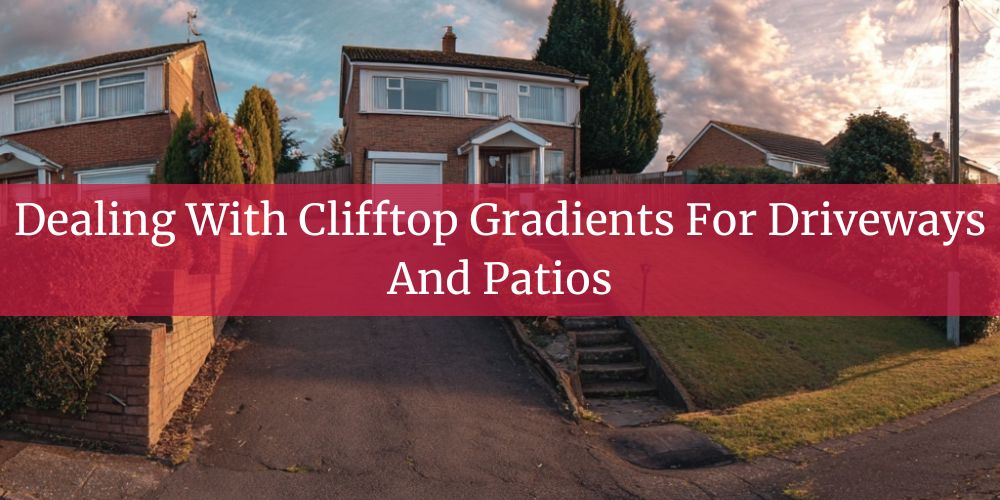
Clifftop gradients in Southend, Essex, specifically in areas like Westcliff and Leigh, require stepped falls, retaining edges, and erosion control to effectively manage soil stability and prevent landslides. The unique topography of the Southend coastal region demands precise gradient management to reduce the risks associated with land erosion and ensure the safety of nearby structures. By implementing robust stepped falls and retaining walls, property managers can significantly mitigate the impact of heavy rainfall and tidal forces, while advanced erosion control techniques can preserve the picturesque landscapes of Essex's cliffs.
In Southend, understanding the requirements for managing clifftop gradients is vital for maintaining infrastructure integrity and protecting homes. In this blog, we’ll delve deeper into the challenges of clifftop erosion, explore innovative edge-retaining strategies, and share expert recommendations for safeguarding coastal properties in the Southend area.
How Do Stepped Falls Enhance Erosion Control in Clifftop Gradients?
Stepped falls slow down water flow on clifftop gradients, significantly reducing soil erosion. By breaking up the flow of water, stepped falls decrease both the speed and the energy of water movement, which helps stabilise the soil and minimise erosion. This technique is particularly useful in clifftop terrains where rapid water runoff can lead to increased soil loss and slope instability.
Here is how stepped falls contribute to effective erosion control in clifftop gradients:
- Water Speed Reduction: Decreases water velocity to prevent soil disruption.
- Energy Dissipation: Lowers energy in water flow, reducing erosive forces.
- Incremental Water Release: Allows gradual soil absorption and minimises runoff impact.
- Sediment Control: Captures and retains soil particles within steps.
- Vegetative Support: Enhances plant growth by reducing erosion and stabilising the soil.
1. Water Speed Reduction: Decreases water velocity to prevent soil disruption.
Water speed reduction involves slowing down the flow of rainwater or runoff. By incorporating stepped falls into a clifftop gradient, the speed at which water travels down the slope decreases, which is crucial for preventing soil erosion. Slower-moving water exerts less force on the soil, reducing the likelihood of soil particles being dislodged and washed away. This approach not only helps maintain the integrity of the soil but also supports the long-term stability of clifftop landscapes, making them more resilient to weather events.
2. Energy Dissipation: Lowers energy in water flow, reducing erosive forces.
Energy dissipation refers to reducing the kinetic energy in moving water. The use of stepped falls effectively lowers the energy contained within moving water, making it less capable of eroding soil. With each step, the energy of the flowing water is reduced, thereby diminishing its potential to cause erosion. This incremental energy reduction is particularly beneficial in preserving the natural landscape and preventing the degradation of clifftop gradients over time.
3. Incremental Water Release: Allows gradual soil absorption and minimises runoff impact.
Incremental water release involves controlling the rate at which water is allowed to pass through a system. Stepped falls facilitate the gradual release of water, giving the soil more time to absorb moisture and minimising surface runoff. This slow release is critical in reducing the immediate impact of large volumes of water hitting the soil at once. As a result, the steadier infiltration process supports soil stability and enhances groundwater recharge, which is vital for maintaining healthy ecosystems on clifftop gradients.
4. Sediment Control: Captures and retains soil particles within steps.
Sediment control is the practice of capturing and retaining displaced soil particles. The stepped design of falls acts as a barrier, trapping loose soil particles carried by water flow, thereby preventing their movement down the slope. This function is essential for reducing the loss of valuable topsoil and maintaining soil fertility. In clifftop areas, effective sediment control helps preserve the soil's structure and composition, ensuring the area's ecological health is maintained.
5. Vegetative Support: Enhances plant growth by reducing erosion and stabilising the soil.
Vegetative support refers to creating conditions conducive to plant growth. By reducing soil erosion through the use of stepped falls, the stability and nutrient content of the soil improve, providing a more robust environment for plants to thrive. Enhanced vegetation further aids in keeping the soil intact, as plant roots help bind soil particles together. This symbiotic relationship between erosion control and vegetation growth is vital for the sustainability of clifftop landscapes, ensuring they remain vibrant and ecologically balanced.
Have a question about an upcoming project?
What Role Do Retaining Edges Play in the Stability of Driveways and Patios?
Retaining edges help maintain the structural integrity of driveways and patios by preventing movement and erosion. They serve as a crucial component in ensuring that the paving materials are held firmly in place, thus reducing the likelihood of shifting or settling over time. By defining the boundaries and supporting the weight load, retaining edges improve both the aesthetic appeal and durability of outdoor surfaces.
Here are the key roles retaining edges play in ensuring the stability of driveways and patios:
- Erosion Control: Prevents soil from washing away and destabilising the paving surface.
- Load Support: Helps distribute and manage the weight on the paving structure.
- Boundary Definition: Clearly defines the edges and limits of the driveway or patio.
- Material Containment: Keeps the pavers and substrate securely in place.
- Longevity Assurance: Increases the lifespan and durability of the paved area.
1. Erosion Control: Prevents soil from washing away and destabilising the paving surface.
Erosion control involves managing surface water to prevent soil loss. In driveways and patios, retaining edges play a critical role by ensuring that soil erosion is minimised, which helps maintain a stable base for the paving materials. Without effective erosion control, water runoff could destabilise the paving surface, leading to uneven areas and potential structural issues over time. Retaining edges manage the flow of water and nutrients, which prevents the subbase from washing away. Proper erosion control involves channeling water away from the paving through strategic design and placement of retaining edges. This is essential in maintaining aesthetic and functional integrity, especially in areas prone to heavy rainfall or slopes.
2. Load Support: Helps distribute and manage the weight on the paving structure.
Load support refers to the ability of retaining edges to manage and distribute the weight exerted onto the paved surface. When retaining edges are installed correctly, they enhance the structural capacity of the driveway or patio by providing strength at the perimeter. This reinforcement helps combat the potential for cracks and surface deterioration that can occur from vehicle traffic and other heavy loads. When considering construction, load distribution is vital to prevent premature failure or sagging of the surface. Retaining edges ensure that even if heavy vehicles are consistently used, the likelihood of shifting or settling is minimised. Maintaining a strong and level surface increases the area’s usability and safety.
3. Boundary Definition: Clearly defines the edges and limits of the driveway or patio.
Boundary definition involves creating a visual and physical edge that marks where the driveway or patio begins and ends. Retaining edges provide this essential function by offering a clean and precise border that enhances the overall appearance and organisation of the exterior space. Clearly defined boundaries contribute to the seamless integration of paved areas with the surrounding landscape elements. By offering clear demarcations, retaining edges help prevent the encroachment of grass, weeds, and soil onto the paving. These edges also play a role in preventing cars and foot traffic from damaging the paving by signaling the limits within which movement should occur.
4. Material Containment: Keeps the pavers and substrate securely in place.
Material containment ensures that all paving elements remain intact and aligned over time. Without retaining edges, the individual pavers or stones might move or separate, leading to an uneven surface. The stability provided by retaining edges ensures that both the substrate and the surface materials remain consistent and well-joined. Effective material containment is particularly important in areas subjected to frequent temperature changes or moisture exposure, which can lead to expansion and contraction. Retaining edges effectively contain and anchor these paving components, limiting movement and maintaining a top-quality finish for longer durations.
5. Longevity Assurance: Increases the lifespan and durability of the paved area.
Longevity assurance refers to the ability of retaining edges to improve the lifespan and durability of driveways and patios. Properly installed retaining edges safeguard the integral structure by protecting against environmental stressors and physical wear. This ultimately contributes to extending the longevity of these outdoor areas by reducing maintenance needs and repair costs. The assurance of longevity creates a more sustainable and cost-effective surface, particularly beneficial in high-use areas. In tandem with erosion control, load support, and material containment, retaining edges represent a comprehensive approach to optimising the performance and durability of paved surfaces.
How Can Erosion Control Techniques Protect and Preserve the Westcliff/Leigh Landscape?
Erosion control techniques can safeguard the structural integrity and aesthetic appeal of the Westcliff/Leigh landscape. These methods prevent soil loss, enhance landscaping features, and maintain a healthy ecosystem. Proper erosion management can also help in managing water runoff and preventing potential damage to nearby properties. Here are five important erosion control techniques ranked by their significance:
- Vegetative Cover: Planting grass and shrubs to stabilise soil and prevent erosion.
- Retaining Walls: Structured barriers to hold soil and reduce runoff impact.
- Mulching: Applying organic material to ground to reduce soil displacement by wind and rain.
- Terracing: Creating stepped levels on a slope to slow down water flow and reduce erosion.
- Riprap: Installing rock layers to reinforce shoreline and riverbank stability.
1. Vegetative Cover: Planting grass and shrubs to stabilise soil and prevent erosion.
Vegetative cover involves planting grass, shrubs, and ground cover plants to stabilise the soil and prevent wind and water from eroding it. Implementation in the Westcliff/Leigh area can greatly minimise soil displacement, maintaining the landscape's natural beauty. The roots of these plants help hold the soil in place, reducing the effect of heavy rain which can otherwise wash away topsoil. Furthermore, plants absorb excess water, reducing runoff and the risk of flooding in adjacent areas. Incorporating native species in particular can enhance biodiversity while effectively controlling erosion.
2. Retaining Walls: Structured barriers to hold soil and reduce runoff impact.
Retaining walls are engineered structures designed to hold back soil, preventing it from eroding away with water flow. In the hilly terrains of Westcliff/Leigh, retaining walls serve as crucial support systems, especially during heavy rains. They help stabilise slopes, provide flat surfaces for gardening, and protect foundations of nearby structures. These structures can be made from various materials, including stone, concrete, and timber, offering both functional and aesthetic benefits to the landscape design.
3. Mulching: Applying organic material to ground to reduce soil displacement by wind and rain.
Mulching involves spreading a layer of organic materials, such as bark or straw, over the soil surface to protect it. In Westcliff/Leigh, mulching reduces the direct impact of raindrops on the soil surface, preventing erosion while also enhancing soil moisture retention. Moreover, as mulch breaks down, it enriches the soil with nutrients, promoting the growth of healthy vegetation which further stabilises the soil. Mulching is a simple yet effective way to protect against erosion while improving local biodiversity.
4. Terracing: Creating stepped levels on a slope to slow down water flow and reduce erosion.
Terracing is a landscaping technique where a slope is transformed into a series of flat, step-like surfaces. This method is particularly beneficial in the Westcliff/Leigh landscape where sloped areas are prone to rapid water runoff and erosion. By breaking the slope into smaller sections, water flow is slowed, allowing more of it to seep into the ground rather than washing soil away. Terracing not only controls erosion but also allows for more efficient use of land, making it possible to cultivate plants or set up gardens on slopes.
5. Riprap: Installing rock layers to reinforce shoreline and riverbank stability.
Riprap is the use of layers of large stones or rocks to protect soil from being eroded by water currents. In areas within Westcliff/Leigh bordering bodies of water, riprap plays a critical role in maintaining the integrity of riverbanks and shorelines. It absorbs and deflects the energy of flowing water, preventing the erosion that could lead to property damage and loss of land. Beyond its functional benefits, riprap can be integrated with plants for added stability and to enhance the natural landscape aesthetics.
Managing the clifftop gradients in Westcliff and Leigh requires a comprehensive approach that addresses both aesthetic appeal and practical needs. Implementing stepped falls and retaining edges is essential to counter erosion, ensuring these areas remain safe and visually appealing. By seamlessly integrating these efforts with existing driveways and patios, residents can enjoy a coherent landscape that enhances both functionality and beauty. In Southend, Essex, where the coastal environment poses unique challenges, incorporating erosion control measures is vital to maintaining property integrity and value. By carefully planning these landscaping elements, we can preserve the natural beauty and utility of the clifftop areas, contributing to a thriving community in Southend, Essex.
If you are interested in enhancing your outdoor spaces with effective erosion control or need expert advice on integrating clifftop landscaping with your driveway and patio design, please don't hesitate to get in touch with us through our contact form. Our team is eager to assist you in creating a resilient and beautiful outdoor environment.