
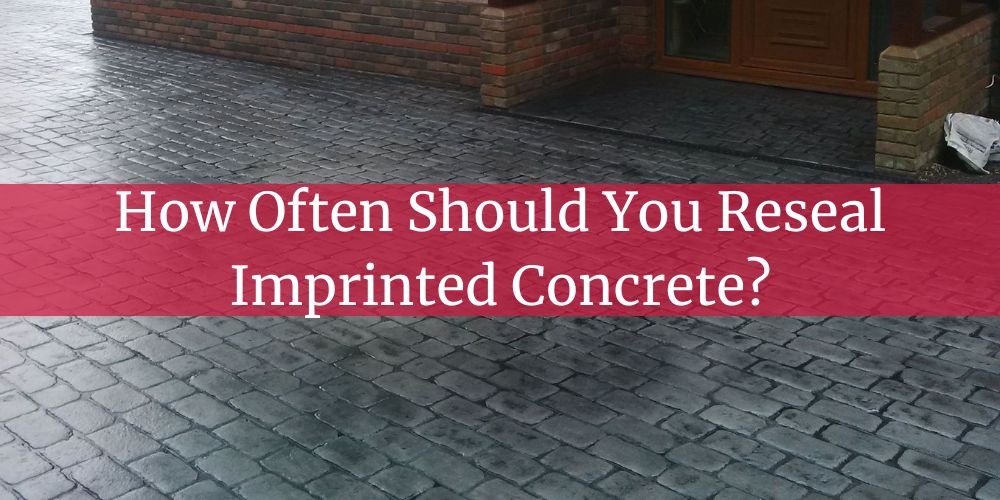
In Southend, Essex, imprinted concrete driveways should be resealed every 3–5 years to maintain their appearance and protect against wear, with more frequent resealing advised due to the coastal influences of UV and salt exposure. The coastal climate in Southend subjects imprinted concrete to greater deterioration from UV rays and salt air, which can lead to colour fading and surface erosion. Regular resealing helps mitigate these effects, ensuring longevity and maintaining the aesthetic appeal of concrete surfaces commonly used in coastal properties.
In Southend, understanding the resealing needs of imprinted concrete is essential to preserve aesthetics and avoid costly repairs. In this blog, we’ll analyse the impact of coastal conditions on concrete surfaces, recommend maintenance schedules, and share expert tips for keeping your property's concrete looking its best.
What Is Imprinted Concrete and Why Is It Popular for Driveways and Patios?
Imprinted concrete is a durable and customisable paving solution often used for driveways and patios because of its aesthetic flexibility and low maintenance. It allows for the mimicry of traditional paving materials like brick, slate, or cobblestone without the associated high costs and labor-intensive installation. As a result, homeowners frequently choose imprinted concrete for its cost-effectiveness and attractive finish, enhancing the overall curb appeal of their property. The popularity of imprinted concrete for driveways and patios is due to several key factors.
- Design Versatility: Mimics various materials like brick or stone at a lower cost.
- Low Maintenance: Requires minimal upkeep to remain in excellent condition.
- Durability: Stands up well to frequent use and varying weather conditions.
- Cost-Effective: Offers a cheaper alternative to natural stone paving.
- Quick Installation: Faster and easier to install than traditional methods.
1. Design Versatility: Mimics various materials like brick or stone at a lower cost.
Design versatility refers to the ability of a material to be customised in appearance and style. Imprinted concrete offers an extensive range of design options by mimicking natural materials such as brick, stone, or slate. This flexibility allows homeowners to achieve a high-end look without the high-end price associated with these materials. Not only does this expand the aesthetic possibilities, but it also makes the property more appealing, potentially increasing its value. The ability to choose from a wide array of colours and patterns ensures each project can be tailor-made to meet specific tastes and design requirements.
2. Low Maintenance: Requires minimal upkeep to remain in excellent condition.
Low maintenance means that the material demands very little in terms of regular care or repair. Imprinted concrete requires far less upkeep than traditional materials like natural stone or brick pavers, which often need regular sealing, replacement, and weed removal. This makes it an attractive option for busy homeowners who want a beautiful driveway or patio without dedicating much time to maintaining it. Occasional washing and sealing can keep imprinted concrete looking fresh, saving both time and money in the long term. This low-maintenance requirement enhances its popularity, particularly in areas where weather conditions can lead to wear in more traditional materials.
3. Durability: Stands up well to frequent use and varying weather conditions.
Durability is the ability of a material to withstand wear, pressure, or damage. Imprinted concrete is highly durable, making it ideal for high-traffic areas like driveways and patios. The material resists cracking and weather-related damage, helping it maintain its appearance over time. This durability is especially beneficial in regions with extreme weather conditions where other surfaces might fail or deteriorate quickly. It ensures that once installed, imprinted concrete will remain functional and aesthetically pleasing for many years, providing excellent value for the investment.
4. Cost-Effective: Offers a cheaper alternative to natural stone paving.
Cost-effective means providing good value for the money spent. Compared to natural stone or brick, imprinted concrete is a more affordable option, primarily because of lower material and labor costs. This cost advantage does not mean sacrificing quality or aesthetics. Homeowners can enjoy the look of luxurious materials without the financial burden, making it easier to plan and execute large projects like patios and driveways. The cost savings can be significant, allowing funds to be allocated to other areas of home improvement or décor.
5. Quick Installation: Faster and easier to install than traditional methods.
Quick installation refers to how fast and efficiently a material can be put in place. Imprinted concrete installation is generally much quicker than traditional paving methods, which require setting individual bricks or stones by hand. Because the process involves pouring and stamping concrete, large areas can be completed in a shorter timeframe. This quicker installation means less disruption to everyday life and the environment around the construction area. Moreover, homeowners can begin using their new driveways or patios sooner, enhancing both the immediate and long-term enjoyment of their outdoor spaces.
Have a question about an upcoming project?
How Often Should You Reseal Your Imprinted Concrete Surfaces?
Imprinted concrete surfaces typically need resealing every 2 to 3 years to maintain their appearance and durability. Over time, exposure to weather elements and foot or vehicle traffic can wear down the sealant, leaving the surface vulnerable to stains and damage. Regular resealing not only protects the surface but also enhances its colour and texture. To ensure your imprinted concrete surfaces look their best and last longer, consider these important factors when deciding on resealing frequency:
- Traffic Level: High-traffic areas may require more frequent resealing.
- Weather Conditions: Frequent exposure to harsh weather demands more regular maintenance.
- Sealant Quality: High-quality sealants offer longer protection periods.
- Colour Retention: Regular resealing helps maintain vibrant surface colours.
- Surface Maintenance: Routine cleaning complements sealant effectiveness and longevity.
1. Traffic Level: High-traffic areas may require more frequent resealing.
Traffic level refers to the amount of foot or vehicle movement on the concrete surface. Areas like driveways or patios that experience heavy traffic wear down faster. This means they might need resealing more often compared to less frequented areas. Paying attention to traffic patterns can help in scheduling resealings strategically, thereby preserving the integrity and appearance of the concrete surfaces.
2. Weather Conditions: Frequent exposure to harsh weather demands more regular maintenance.
Weather conditions include the climate factors your concrete surfaces are exposed to, such as rain, snow, or intense sun. If your area experiences harsh weather, it will cause the sealant to deteriorate faster. This requires more frequent resealing to ensure the surface remains protected. Understanding local weather patterns can guide you in setting an appropriate reseal schedule to avoid potential surface damage.
3. Sealant Quality: High-quality sealants offer longer protection periods.
Sealant quality relates to the durability and effectiveness of the product used to coat the concrete. Investing in high-quality sealants can extend the time between resealing efforts, making it more cost-effective in the long run. Choosing the right sealant not only delays the frequency of resealing but also enhances the overall resilience of the surface against environmental factors.
4. Colour Retention: Regular resealing helps maintain vibrant surface colours.
Colour retention refers to how well the concrete surface maintains its original hue over time. Resealing not only protects against physical damage but also guards the visual aesthetics of imprinted concrete. Without it, colours can fade due to UV exposure and wear. By prioritising colour retention through regular maintenance, you enhance both the aesthetic appeal and value of your property.
5. Surface Maintenance: Routine cleaning complements sealant effectiveness and longevity.
Surface maintenance involves regular cleaning practices to keep the concrete surface in optimal condition. Consistent cleaning aids the sealant in performing its protective functions by removing debris and other damaging agents. Collaborating good cleaning routines with scheduled resealing can extend the life of the concrete surface, ensuring it remains functional and attractive for years.
What Additional Resealing Considerations Exist for Imprinted Concrete in Coastal Areas?
The unique conditions in coastal areas demand specific resealing practices for imprinted concrete to ensure longevity and performance. The high salt content, humidity, and potential for sand abrasion necessitate more frequent and specialised maintenance for concrete surfaces exposed to these elements. Here are the top five considerations for resealing imprinted concrete in coastal regions:
- Salt Resistance: Select sealers specifically designed to shield against salt-related damage.
- Moisture Barrier: Opt for sealers that create a strong barrier against coastal humidity.
- Abrasion Protection: Choose durable sealers that can withstand sand and debris abrasions.
- UV Stability: Ensure sealers are UV-resistant to prevent fading from intense sunlight.
- Frequent Maintenance: Increase resealing frequency to combat coastal weather wear.
1. Salt Resistance: Select sealers specifically designed to shield against salt-related damage.
Salt resistance refers to the ability of a sealer to protect concrete from the corrosive effects of salt. In coastal areas, salt from the air and ocean can degrade concrete surfaces quickly. Sealers designed with salt resistance can prolong the life of imprinted concrete by preventing this type of damage. These sealers create a protective barrier that keeps out salt, ensuring the concrete remains strong and visually appealing for a longer period.
2. Moisture Barrier: Opt for sealers that create a strong barrier against coastal humidity.
A moisture barrier is a layer that prevents water penetration into concrete surfaces. Coastal areas often experience high humidity levels, which, combined with sea spray, can worsen the moisture exposure on concrete. A sealer that provides an effective moisture barrier is crucial to protect the imprinted concrete from potential swelling and cracking. Using a high-quality moisture-resistant seal ensures that water does not seep into the concrete, which helps in maintaining its integrity and appearance.
3. Abrasion Protection: Choose durable sealers that can withstand sand and debris abrasions.
Abrasion protection refers to the ability of sealers to resist wear caused by friction and impact. Coastal environments often involve exposure to blowing sand and debris, which can scratch and degrade concrete surfaces. Sealers with abrasion-resistant properties are essential for maintaining the durability and aesthetic of imprinted concrete in these conditions. These sealers offer a tough surface that stands up to the harsh abrasions typical of coastal areas, ensuring the concrete remains smooth and unblemished.
4. UV Stability: Ensure sealers are UV-resistant to prevent fading from intense sunlight.
UV stability describes a sealer's ability to withstand exposure to ultraviolet rays without degrading. Concrete surfaces in coastal areas are often subject to strong sunlight, which can cause fading and deterioration of both the colour and the material itself. Using a UV-resistant sealer is crucial to protect imprinted concrete from the harmful effects of the sun. This type of sealer prevents colour loss and surface weakening, maintaining the aesthetic appeal and structural integrity of the concrete despite prolonged sun exposure.
5. Frequent Maintenance: Increase resealing frequency to combat coastal weather wear.
Frequent maintenance involves regular inspection and resealing to protect concrete surfaces effectively. Given the harsh conditions of coastal areas, such as fluctuating temperatures, sea spray, and sand erosion, more frequent resealing of imprinted concrete is recommended. This ensures that the protective layers remain intact and effective. Regular maintenance allows for immediate attention to any signs of wear, ensuring the concrete remains resilient and aesthetically pleasing over time.
Maintaining the beauty and durability of your Driveways and Patios in Southend, Essex, relies significantly on understanding the importance of regularly resealing imprinted concrete surfaces. Given the harsh impacts of UV exposure and salt in coastal environments, like those in Southend, Essex, resealing every 3–5 years—or more frequently if needed—helps preserve the integrity and appearance of your outdoor spaces. By staying proactive with maintenance, you not only protect your investment but also enhance the curb appeal and functionality of your driveways and patios. Whether you're battling the elements on a coastal property or looking to maintain your home's exterior aesthetics, regular resealing is key to long-term satisfaction.
If you're seeking professional guidance on how best to care for your imprinted concrete surfaces or require a consultation specific to driveways and patios in Southend, Essex, please don't hesitate to reach out to us through our contact form. Our team is ready to provide personalised advice and services tailored to your unique needs and conditions.