
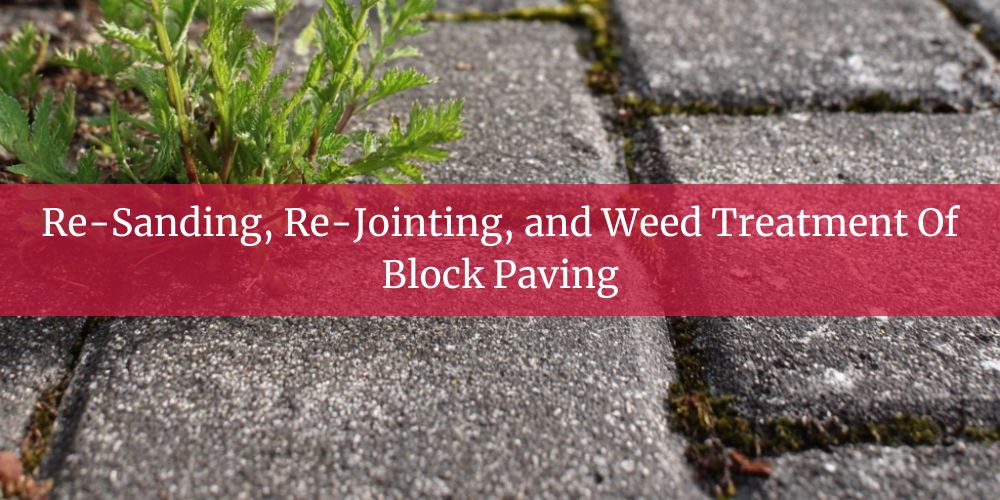
In Southend, Essex, periodic re-sanding, re-jointing, and regular weed treatment are crucial for maintaining the durability and appearance of block paving, which can be impacted by the temperate coastal climate and local soil conditions. The seaside environment in Southend can lead to shifting and erosion in block paving joints, making regular maintenance essential to prevent weed growth and uneven surfaces. Additionally, the area's mild, wet winters make annual sand replacement and targeted weed treatments necessary to maintain structural integrity and aesthetic appeal.
In Southend, understanding how to maintain block paving is essential to preserving property value and ensuring safety. In this blog, we’ll delve into the specific maintenance needs of block paving, discussing frequency and techniques suited to the Southend climate, and provide expert insights on best practices for keeping your paving in top condition.
Why is periodic re-sanding crucial for block paving maintenance?
Periodic re-sanding is vital for maintaining the stability, durability, and appearance of block paving. Without re-sanding, the joints between the blocks can become loose, leading to shifts, weed growth, and water ingress, all of which compromise the integrity of the paved surface. Regular maintenance helps ensure that your paving looks good and functions effectively over the long term. Re-sanding has several key benefits that contribute to effective block paving maintenance:
- Structural Stability: Maintains firm positioning of the paving blocks.
- Weed Prevention: Reduces space for weed growth between blocks.
- Enhanced Drainage: Improves water runoff to prevent pooling.
- Aesthetic Appeal: Keeps paving looking clean and well-maintained.
- Longevity: Extends lifespan by preventing damage to the surface.
1. Structural Stability: Maintains firm positioning of the paving blocks.
Structural stability refers to the ability of the paving to remain even and properly aligned. Regular re-sanding helps fill in the gaps between paving blocks, thereby stabilising them in their proper place. This prevents any movement that can occur due to the natural shifting of the earth or pressure from use. By maintaining structural stability, the paved area remains safe for pedestrian and vehicle traffic, reducing risks of tripping or uneven wear that could lead to costly repairs.
2. Weed Prevention: Reduces space for weed growth between blocks.
Weed prevention involves inhibiting the growth of plants in the gaps between paving stones. Re-sanding fills the joints between blocks, making it difficult for weeds to establish roots. This is crucial because weeds can cause unevenness and damage to the paving over time. A surface free of weeds not only looks more attractive but also requires less regular maintenance and diminishes the need for chemical weed killers.
3. Enhanced Drainage: Improves water runoff to prevent pooling.
Enhanced drainage involves the efficient channeling of water to avoid standing pools on paved surfaces. Properly filled joints aid in channeling water off the surface and into suitable drainage areas, reducing the risks of water damage. Re-sanding ensures that water doesn't penetrate beneath the blocks, where it can cause erosion or moss growth. Good drainage is essential for maintaining the integrity of the paving, as pooled water can lead to erosion, a breeding ground for algae, and slip hazards.
4. Aesthetic Appeal: Keeps paving looking clean and well-maintained.
Aesthetic appeal refers to the visual appearance and attractiveness of the block paving. Re-sanding keeps the paving looking tidy by preventing weed growth and closing any gaps between blocks. A neat surface contributes positively to the curb appeal and overall visual impact of the property. Regular maintenance makes the paving look newer for longer, conveying a well-cared-for impression to visitors and improving property value.
5. Longevity: Extends lifespan by preventing damage to the surface.
Longevity refers to the extended usable life of the block paving due to proper care. By stabilising the blocks, preventing weed growth, and enhancing drainage, re-sanding effectively prolongs the lifespan of the paving. This prevents deterioration that could necessitate expensive repairs or replacement. Proper care, including periodic re-sanding, ensures that your investment in paving remains beneficial and functional for as long as possible, providing value and usability over the years.
Have a question about an upcoming project?
How does re-jointing enhance the longevity of your paved surfaces?
Re-jointing extends the life of paved surfaces by preventing water ingress and structural damage. Keeping the joints between paving stones or bricks well-maintained is crucial to maintaining the integrity of the entire structure. By re-jointing regularly, homeowners can avoid costly repairs and preserve the aesthetic and functional benefits of their paved areas over time. Re-jointing involves several critical benefits that directly contribute to the longevity of paved surfaces:
- Water Resistance: Prevents water from seeping into and undermining the base.
- Weed Prevention: Stops weeds from growing between the paving stones.
- Structural Integrity: Maintains the overall strength and stability of the paved surface.
- Enhanced Aesthetics: Keeps the surface looking clean and well-maintained.
- Pest Prevention: Deters pests like ants from nesting between the joints.
1. Water Resistance: Prevents water from seeping into and undermining the base.
Water resistance refers to the material's ability to repel water and prevent it from penetrating. When paving joints are left open or become damaged, water can seep through, eroding the base material and potentially causing the paving stones to shift. By re-jointing, you create a seal that protects the underlying structures from water damage, thereby enhancing the overall lifespan of the paved area. Water ingress is a major cause of damage in paved surfaces, leading to problems such as settling and cracking. Regular re-jointing ensures that the paving remains impermeable to water, especially during heavy rains or freeze-thaw cycles. This protection is crucial in avoiding maintenance headaches and extension of the surface’s durable years.
2. Weed Prevention: Stops weeds from growing between the paving stones.
Weed prevention involves inhibiting the growth of unwanted plants that can disrupt and damage structural continuity. Weeds find their way into tiny gaps between paving stones, expanding these gaps and compromising the paving structure. Re-jointing fills these gaps robustly, making it difficult for weeds to take hold and flourish. Weeds not only spoil the aesthetic appeal of paved surfaces but can also cause the surrounding material to become loose or upheave over time. Blocking this growth through regular re-jointing makes maintenance easier and keeps the paved surfaces looking pristine and cohesive. Additionally, it saves money and effort in ongoing weed control measures.
3. Structural Integrity: Maintains the overall strength and stability of the paved surface.
Structural integrity refers to the ability of the paved surface to withstand loads and other stresses without failing. Over time, joints can become loose, leading to individual stones dislodging or shifting. By re-jointing, you reinforce the connections between the paving stones, maintaining their alignment and ensuring that the surface remains flat and even. Loose paving stones pose safety risks and can lead to further structural decline. Re-jointing prevents shifting by holding the stones firmly in place, providing a stable, safe, and durable surface for both foot and vehicle traffic. Regular upkeep supports the longevity of the structure by contributing to its overall integrity and resilience.
4. Enhanced Aesthetics: Keeps the surface looking clean and well-maintained.
Enhanced aesthetics refer to the improved visual appeal and tidiness of a maintained surface. Broken or deteriorated joints can lead to a disjointed and unkempt appearance. Re-jointing breathes new life into the paved surfaces, enhancing their look by ensuring a uniform appearance. Re-jointing can help restore the original charm of a paved area, providing a fresh and clean finish. Not only does this boost curb appeal, but it can also increase property value for homeowners. Regularly maintaining the appearance of pavements through re-jointing also reflects well in terms of overall property upkeep.
5. Pest Prevention: Deters pests like ants from nesting between the joints.
Pest prevention involves eliminating potential habitats for insects or rodents. When paving joints are ill-maintained, they can become a haven for pests like ants that find the gaps perfect for nesting. Re-jointing eliminates these gaps, reducing the chance of infestation. Pests can cause multiple problems, from undermining the structure to creating unsightly mounds and disturbing the surfaces. By removing the environment conducive to their habitation, re-jointing indirectly helps in maintaining a pest-free environment. Securing the joints ensures that your paved surface remains intact and safe from the nuisance of an insect invasion.
What methods can be employed for effective weed treatment in block paving?
To effectively treat weeds in block paving, use a combination of physical removal, chemical herbicides, and preventive measures. Keeping block paving weed-free requires consistent maintenance and employing strategies to prevent weed growth, thus preserving the surface's appearance and longevity. Here are some crucial methods to consider for effective weed treatment in block paving:
- Manual Removal: Regularly pull weeds by hand to prevent spreading.
- Chemical Herbicides: Apply selective herbicides to target unwanted weeds effectively.
- Pressure Washing: Use pressure washing to remove weeds and clean paving joints.
- Joint Stabilising Products: Apply joint sand stabilisers to prevent weed growth.
- Baking Soda or Vinegar: Use natural solutions for environmentally friendly weed control.
1. Manual Removal: Regularly pull weeds by hand to prevent spreading.
Manual removal involves physically pulling weeds from block paving surfaces. Regularly removing weeds by hand stops their spread and growth in paving joints, preserving the cleanliness of the area. This method is most effective when performed frequently and ensures that even deep-rooted weeds are effectively removed, reducing the chances of regrowth.
2. Chemical Herbicides: Apply selective herbicides to target unwanted weeds effectively.
Chemical herbicides are chemical solutions designed to kill weeds without damaging the paving. Applying them selectively helps target unwanted vegetation while avoiding damage to other plants. Be cautious and follow instructions precisely to avoid any harm to the surrounding environment. Repeated applications might be necessary for maximum effectiveness.
3. Pressure Washing: Use pressure washing to remove weeds and clean paving joints.
Pressure washing utilises high-pressure water to clean surfaces and dislodge weeds. This method effectively cleans out paving joints, removing loose debris and weed roots. Conducting pressure washing periodically helps maintain a clean appearance and reduces the potential for future weed problems.
4. Joint Stabilising Products: Apply joint sand stabilisers to prevent weed growth.
Joint stabilisers are applied to the sand between pavers to harden the material and deter weeds. By preventing weed growth in joints, these products provide long-term protection against weed infestations. They enhance the stability and longevity of the paving surface, reducing maintenance efforts over time.
5. Baking Soda or Vinegar: Use natural solutions for environmentally friendly weed control.
Baking soda and vinegar offer eco-friendly alternatives for weed management. These natural solutions work by creating inhospitable environments for weeds, suppressing their ability to thrive. Regular applications of these solutions can provide a sustainable way to manage weeds without relying on harsh chemicals, benefiting both the environment and human health.
Ensuring the longevity and aesthetic appeal of your block paving in Southend, Essex, requires regular attention to periodic re-sanding, re-jointing, and effective weed treatment. These maintenance practices not only preserve the structural integrity of your driveways and patios but also enhance their visual appeal, providing beautiful and durable outdoor spaces for your home. By undertaking consistent upkeep, tailored to the specific climate and conditions of Essex, homeowners can protect their investment and enjoy pristine paved surfaces that contribute to their property's overall value and appeal.
If you need professional guidance on maintaining your block paving or assistance with your driveways and patios in Southend, Essex, please feel free to reach out to us through our contact form. Our dedicated team is eager to help you achieve the best look and performance for your outdoor spaces.