
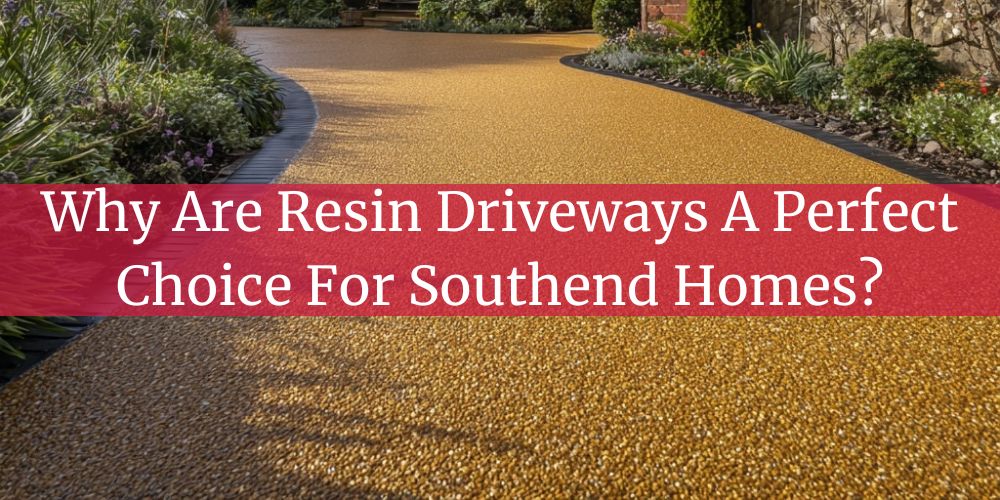
In Southend, Essex, resin-bound driveways are an excellent SUDS-compliant solution for coastal areas due to their porous nature, which effectively manages excess surface water and aligns with sustainable urban drainage systems. Southend's proximity to the coast makes it vulnerable to flooding, and incorporating permeable paving like resin-bound gravel helps in mitigating this risk by allowing water to permeate through its surface. This solution not only assists in flood prevention but also enhances the aesthetic appeal of urban areas, making it a practical and attractive choice for properties in coastal environments.
In Southend, Essex, understanding the benefits of resin-bound gravel and its compliance with SUDS is essential for sustainable urban development. In this blog, we will explore the advantages of resin-bound gravel, examine its application in coastal settings, and provide guidance on its implementation to enhance resilience against flooding in Southend.
What Makes Resin-Bound Gravel an Ideal Choice for Coastal Towns?
Resin-bound gravel is ideal for coastal towns due to its durability and permeability. This material can withstand harsh coastal weather while allowing natural drainage, preventing water accumulation, making it suitable for areas prone to flooding. Here are the key reasons why resin-bound gravel is particularly beneficial for coastal towns:
- Water Permeability: Effectively manages stormwater with natural drainage features.
- Durability: Resilient against coastal weather elements like salt and moisture.
- Low Maintenance: Requires minimal upkeep in high-salinity environments.
- Eco-Friendliness: Made from sustainable materials that suit sensitive coastal ecosystems.
- Visual Appeal: Offers a seamless, attractive finish complementing coastal aesthetics.
1. Water Permeability: Effectively manages stormwater with natural drainage features.
Water permeability refers to the material's ability to allow water to pass through it. Resin-bound gravel's inherent permeability makes it adept at preventing water pooling, a common issue in coastal towns prone to storms and heavy rainfall. By facilitating natural water drainage, it reduces the risk of flooding and water damage to properties. This characteristic makes it an environmentally friendly option, as it helps maintain natural water cycles and reduces the pressure on stormwater systems. Resin-bound surfaces can be key to sustainable urban drainage systems, lowering runoff and promoting groundwater recharge in coastal areas.
2. Durability: Resilient against coastal weather elements like salt and moisture.
Durability is the ability of a material to withstand wear and pressure over time. Resin-bound gravel holds up well against the harsh conditions found in coastal areas, such as salt, moisture, and strong winds. This material's robust composition ensures that it remains intact and appealing despite constant exposure to these elements. Coastal towns often experience strong winds and sea spray that can degrade lesser materials. Resin-bound gravel, therefore, provides a long-lasting solution that avoids frequent repairs or resurfacing, offering cost savings over time for property owners.
3. Low Maintenance: Requires minimal upkeep in high-salinity environments.
Low maintenance implies that minimal effort is needed to keep a material in good condition. In coastal environments where salt and moisture are prevalent, materials often require frequent cleaning and repairs; however, resin-bound gravel significantly reduces maintenance tasks. Its solid composition prevents weed growth and resists staining and surface deterioration. By choosing this material, property owners can enjoy the aesthetic and functional benefits without the constant upkeep typically associated with outdoor surfaces in such demanding environments. This attribute makes resin-bound gravel a convenient and cost-effective choice for coastal projects.
4. Eco-Friendliness: Made from sustainable materials that suit sensitive coastal ecosystems.
Eco-friendliness refers to a product's minimal impact on the environment throughout its life cycle. Resin-bound gravel can be made with sustainable or recycled aggregates, supporting conservation efforts and aligning with environmentally conscious practices. This is particularly crucial in coastal areas, where ecosystems can be delicate and disrupted by non-natural materials. Employing eco-friendly materials helps preserve the natural beauty and biodiversity of coastal regions. Its porous structure also avoids impacting local water systems negatively, maintaining the health of surrounding marine and terrestrial life.
5. Visual Appeal: Offers a seamless, attractive finish complementing coastal aesthetics.
Visual appeal is the ability of a material to enhance visual aesthetics. Resin-bound gravel is versatile in terms of colour and texture, allowing it to match the natural beauty of coastal environments seamlessly. Its natural stone appearance contributes to a high-quality finish that enhances residential properties. This material choice allows for creative expression while maintaining a uniform and professional look. It's a popular choice in coastal towns where aesthetics and functionality need to align, attracting visitors and boosting local property values.
Have a question about an upcoming project?
How Does Resin-Bound Gravel Ensure Compliance with SUDS Regulations?
Resin-bound gravel ensures compliance with Sustainable Drainage Systems (SUDS) regulations by being fully permeable, allowing water to pass through its surface, thus reducing flood risk and managing surface water more effectively. By integrating natural drainage technology, resin-bound gravel fulfills environmental legislations and contributes to sustainable urban development. These properties make it an ideal choice for property owners who are looking to adhere to modern urban drainage requirements while keeping an aesthetically pleasing landscape. Here is a breakdown of how resin-bound gravel achieves SUDS compliance:
- Permeability: Allows water to penetrate through, preventing surface runoff.
- Natural Drainage: Mimics traditional ground drainage, reducing water accumulation.
- Environmental Impact: Made from sustainable materials supporting eco-friendly initiatives.
- Surface Stability: Provides a durable and robust surface under varying weather conditions.
- Low Maintenance: Minimal upkeep for long-term functionality, reducing costs and environmental impact.
1. Permeability: Allows water to penetrate through, preventing surface runoff.
Permeability refers to the ability of a material to allow liquids to pass through it. Resin-bound gravel is formulated to offer high permeability, enabling water to drain through its pores. This characteristic is critical in preventing surface water runoff, thus complying with SUDS regulations by controlling and dispersing rainwater effectively, and mitigating urban flood risks.
2. Natural Drainage: Mimics traditional ground drainage, reducing water accumulation.
Natural drainage is the process by which water slowly seeps into the ground, akin to how nature manages rainwater. Resin-bound gravel closely imitates this natural process, providing a managed discharge of water directly into the ground. By facilitating natural drainage, it supports sustainable urban planning and addresses runoff issues, particularly advantageous in densely populated areas.
3. Environmental Impact: Made from sustainable materials supporting eco-friendly initiatives.
Environmental impact refers to the effect a material or process has on the ecosystem and surrounding environment. Resin-bound gravel is designed with an eco-friendly mindset, often composed of recycled or sustainable aggregates. Adopting such materials not only helps in SUDS compliance but also furthers sustainable building practices by lessening the carbon footprint of construction projects.
4. Surface Stability: Provides a durable and robust surface under varying weather conditions.
Surface stability means the surface’s ability to remain structurally sound and intact despite environmental changes. Resin-bound gravel provides a strong, stable surface, capable of withstanding different weather extremes without losing its functionality. This durability ensures the long-term effectiveness of water drainage, even under challenging weather conditions, aligning with SUDS objectives.
5. Low Maintenance: Minimal upkeep for long-term functionality, reducing costs and environmental impact.
Low maintenance indicates that the material requires minimal upkeep over time to maintain its optimal function. Resin-bound gravel requires little repair or cleaning, maintaining its permeability and effectiveness over years. This characteristic reduces resource consumption for maintenance, minimising environmental impact and reducing lifetime costs, further supporting SUDS goals.
Why Choose Resin-Bound Gravel for Driveways and Patios in Coastal Areas?
Resin-bound gravel is durable, permeable, and visually appealing, making it ideal for coastal environments. Its ability to withstand harsh weather conditions and resist damage from saltwater makes it particularly suitable for areas near the coast. Furthermore, it enhances drainage and reduces water pooling, which is crucial in regions prone to heavy rainfall.
Here are five compelling reasons to opt for resin-bound gravel in coastal regions:
- Weather Resistance: Effectively withstands harsh coastal winds and saltwater exposure.
- Permeability: Facilitates excellent drainage, preventing water pooling during heavy rain.
- Durability: Long-lasting material resistant to UV rays and temperature fluctuations.
- Low Maintenance: Requires minimal upkeep and resists weed growth and cracking.
- Aesthetic Versatility: Available in various colours and textures to enhance any property.
1. Weather Resistance: Effectively withstands harsh coastal winds and saltwater exposure.
Weather resistance refers to the ability of a material to endure and remain unaffected by environmental elements such as rain, wind, and saltwater. In coastal areas, the weather can be particularly harsh, with strong winds and salt exposure. Resin-bound gravel effectively combats these challenges, providing a sturdy and reliable surface. This resistance is crucial for driveways and patios, as it prevents quick degradation and maintains the integrity of the surface, ensuring longevity and functionality over time.
2. Permeability: Facilitates excellent drainage, preventing water pooling during heavy rain.
Permeability is the capacity of a material to allow liquid to pass through it, reducing surface water build-up. With coastal areas often experiencing heavy rainfall, proper drainage is essential. Resin-bound gravel enables water to drain through the surface seamlessly, minimising the risk of flooding and water damage. This feature is particularly beneficial for maintaining the condition of driveways and patios, as poor drainage can lead to structural damage and increase maintenance costs.
3. Durability: Long-lasting material resistant to UV rays and temperature fluctuations.
Durability indicates the material's strength and ability to withstand wear, pressure, and damage over time. Coastal regions experience constant environmental changes, including UV exposure and temperature swings. Resin-bound gravel's durability ensures that it remains intact and functional despite these conditions. This quality not only extends the lifespan of the installation but also provides a dependable surface that doesn't need frequent repairs or replacements, ultimately saving on costs.
4. Low Maintenance: Requires minimal upkeep and resists weed growth and cracking.
Low maintenance means that the material requires little effort and cost to keep it in good condition. In coastal settings, the persistent winds can disperse seeds, resulting in unwanted weed growth. However, resin-bound gravel's design and structure help inhibit this, reducing the need for regular maintenance. Additionally, because of its resistance to cracking, it minimises the need for repairs, making it an economically attractive option for homeowners.
5. Aesthetic Versatility: Available in various colours and textures to enhance any property.
Aesthetic versatility refers to the material's capability to adapt to different styles and preferences while maintaining visual appeal. For properties in coastal areas, the aesthetic value can significantly impact property appeal and market value. Resin-bound gravel offers a range of colours and textures, allowing homeowners to match or enhance their property's existing stylistic elements. This flexibility ensures that homeowners can achieve both functional and decorative objectives, creating beautiful and practical outdoor spaces.
Resin-bound gravel offers an innovative, porous, and aesthetically pleasing solution for driveways and patios, especially in coastal towns like Southend, Essex. Its compliance with Sustainable Urban Drainage Systems (SUDS) means it effectively manages water drainage, reducing flood risks and promoting environmental sustainability. With its durability and low maintenance needs, installing resin-bound gravel on driveways and patios enhances the visual appeal and functionality of residential properties in Southend. By selecting this option, you not only invest in a beautiful finish but also in a reliable and resilient surface that stands up well to the coastal climate.
If you are considering resin-bound gravel for your driveway or patio and want more information specific to Southend, Essex, please reach out via our contact form. Our team is eager to provide personalised advice and support for your project.